
The global travel ecosystem in 2026 is being reshaped by sweeping visa rule changes 2026 across major destinations. For Indian travel professionals, keeping up with these visa policy changes is no longer optional. With airlines enforcing document checks more strictly and governments shifting to digital border systems, even a small oversight can lead to offloads, rejected visas, or denied boarding.
From biometric borders in Europe to higher U.S. visa costs and new digital arrival systems in Asia and the Middle East, these visa rule changes 2026 will directly impact how Indian travel agents sell, plan, and manage international travel. Here is a detailed breakdown of the most important international visa updates, Indian travel agents visa updates, and visa requirements for Indian travelers in 2026.
1. Europe: Digital Borders and EES in Full Effect
One of the biggest visa rule changes 2026 involves Europe’s complete shift to digital border management.
The European Union’s Entry/Exit System (EES) is expected to be fully operational from April 10, 2026. This replaces physical passport stamping with biometric data capture, including fingerprints and facial images, for most non-EU visitors, including Indian passport holders.
For Indian travelers, this means biometric registration on the first entry into the Schengen Area. Subsequent visits will be verified electronically, making border checks more automated but also more data sensitive.
The long-anticipated ETIAS, Europe’s digital travel authorisation system, is now scheduled for late 2026. While Indian citizens who require a Schengen visa are not directly impacted, travelers who enter Europe using visa-free privileges under other passports or residencies should monitor this closely as part of the broader visa rule changes 2026.
Alongside these border and system changes, Bulgaria transitioned to the euro on January 1, 2026, further streamlining travel planning across Europe.
Pro tip: Always verify passport chip compatibility and ensure client data is consistent across all Schengen applications.
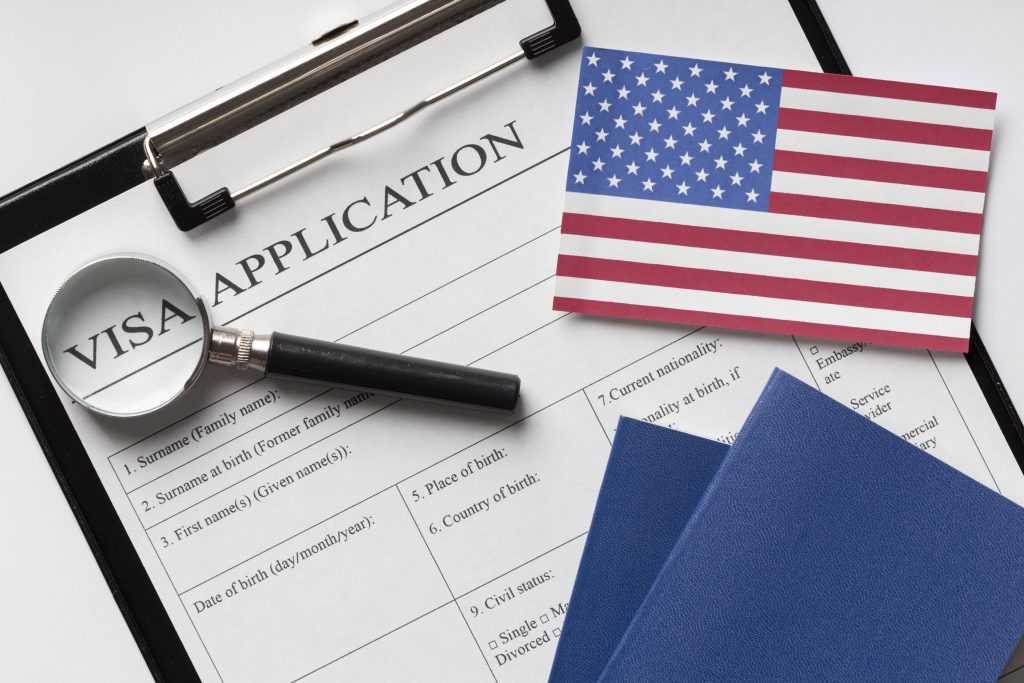
2. United States: Higher Costs and Tighter Screening
The United States has introduced some of the most commercially impactful visa rule changes 2026 for Indian outbound travel.
A new mandatory Visa Integrity Fee of USD 250 has been added to most non-immigrant visa categories, including tourist, student, and work visas. This significantly increases the total cost of travel to the U.S., especially for families and group travelers.
In addition, interview waiver rules have become stricter, meaning more applicants are now required to attend in-person interviews. Processing timelines have also become less predictable, adding another layer of complexity under the current visa policy changes.
These visa rule changes 2026 make the U.S. a destination where budgeting, timelines, and documentation must be handled far more carefully than before.
Pro tip: Always build the new U.S. visa fees and longer processing timelines into the initial quotation and travel plan.
Also Read – 8 Common Mistakes B2B Travel Agents Should Avoid
3. UAE: Stricter Pre-Approval and Document Scrutiny
The UAE remains one of the most important destinations for Indian travelers, but visa rule changes 2026 have made the system more compliance-driven and less flexible.
Visa approvals now involve stricter document checks, especially for first-time travelers and certain professional categories. There is greater emphasis on hotel bookings, return tickets, sponsor details, and financial proof.
Airlines are also enforcing UAE document checks more strictly at the airport. Any mismatch in passport details, profession, or submitted information can result in offloading, even if a visa has already been issued.
These visa rule changes 2026 mean that UAE travel can no longer be treated as a last-minute or casual booking market.

4. Singapore: Digital Compliance and Tighter Arrival Checks
Singapore continues to be a high-demand destination, but visa rule changes 2026 have increased the importance of digital pre-arrival compliance.
Submission of the Singapore Arrival Card is now strictly enforced for all travelers, including short-stay visitors and transit passengers. Airlines are actively checking this before boarding.
Immigration authorities are also paying closer attention to return tickets, accommodation details, and proof of funds. Even though the process remains efficient, Singapore now operates under a much tighter digital screening environment as part of global visa policy changes.
These visa rule changes 2026 mean Singapore should no longer be positioned as a documentation-light destination.
Pro tip: Treat Singapore itineraries with the same documentation discipline as any other major international hub.
5. Asia: Visa-Free Extensions and Sudden Policy Reversals
Asia continues to drive volume travel from India, but visa rule changes 2026 have created a mixed landscape. These developments form part of the latest visa updates for Indian passport holders 2026, especially for popular short-haul leisure destinations.
Thailand and Malaysia have extended visa-free entry for Indian passport holders until December 31, 2026, making them two of the strongest short-haul leisure destinations this year.
At the same time, Iran and Bolivia have removed visa-free or visa-on-arrival access for Indian travelers, and visas must now be obtained in advance.
These contrasting moves clearly show why international visa updates must be checked for every itinerary and not assumed based on past experience.
6. United Kingdom: ETA and Transit Rule Changes
The UK has continued its shift towards digital pre-screening as part of the wider visa rule changes 2026 trend.
While Indian passport holders still require a regular UK visa, the Electronic Travel Authorisation system is now fully active for many nationalities and has also changed transit screening rules.
Some passengers transiting through the UK now require additional clearances, and airlines are strictly verifying compliance before boarding.
These visa rule changes 2026 make it essential to check every UK and UK-transit booking individually.
Pro tip: Always verify UK entry and transit requirements using official tools before ticketing.
Also Read – India Launches New E-B-4 Visa for Chinese Nationals
7. India: Faster Departures with FTI-TTP
While most discussions around visa rule changes 2026 focus on foreign borders, India has also upgraded its own outbound travel experience through the Fast Track Immigration Trusted Traveller Programme.
Eligible Indian passport holders can now use e-gates at major airports such as Delhi, Mumbai, and Bengaluru, significantly reducing immigration wait times.
This is particularly valuable for frequent corporate and premium travelers who travel internationally multiple times a year.
Pro tip: Recommend FTI-TTP registration as a value-added service for frequent international travellers.
Agent Visa Checklist for 2026
- Verify passport chip compatibility for Europe travel
- Factor in higher U.S. visa costs during trip planning
- Double-check UAE applications for data accuracy and document completeness
- Ensure Singapore Arrival Card submission before departure
- Monitor ETIAS developments in Europe
- Reconfirm visa-free eligibility for Asian destinations before ticketing
- Recommend FTI-TTP to frequent travelers
The scale of visa rule changes 2026 has fundamentally changed how visa rule changes affect Indian travel agents and how international travel must be planned and sold. For Indian travel professionals, success in this environment depends on staying constantly updated on new visa rules 2026, visa policy changes, and real-time international visa updates.
Agents who master these visa requirements for Indian travelers will not only reduce operational risks, but also position themselves as trusted advisors in an increasingly complex global travel landscape.